
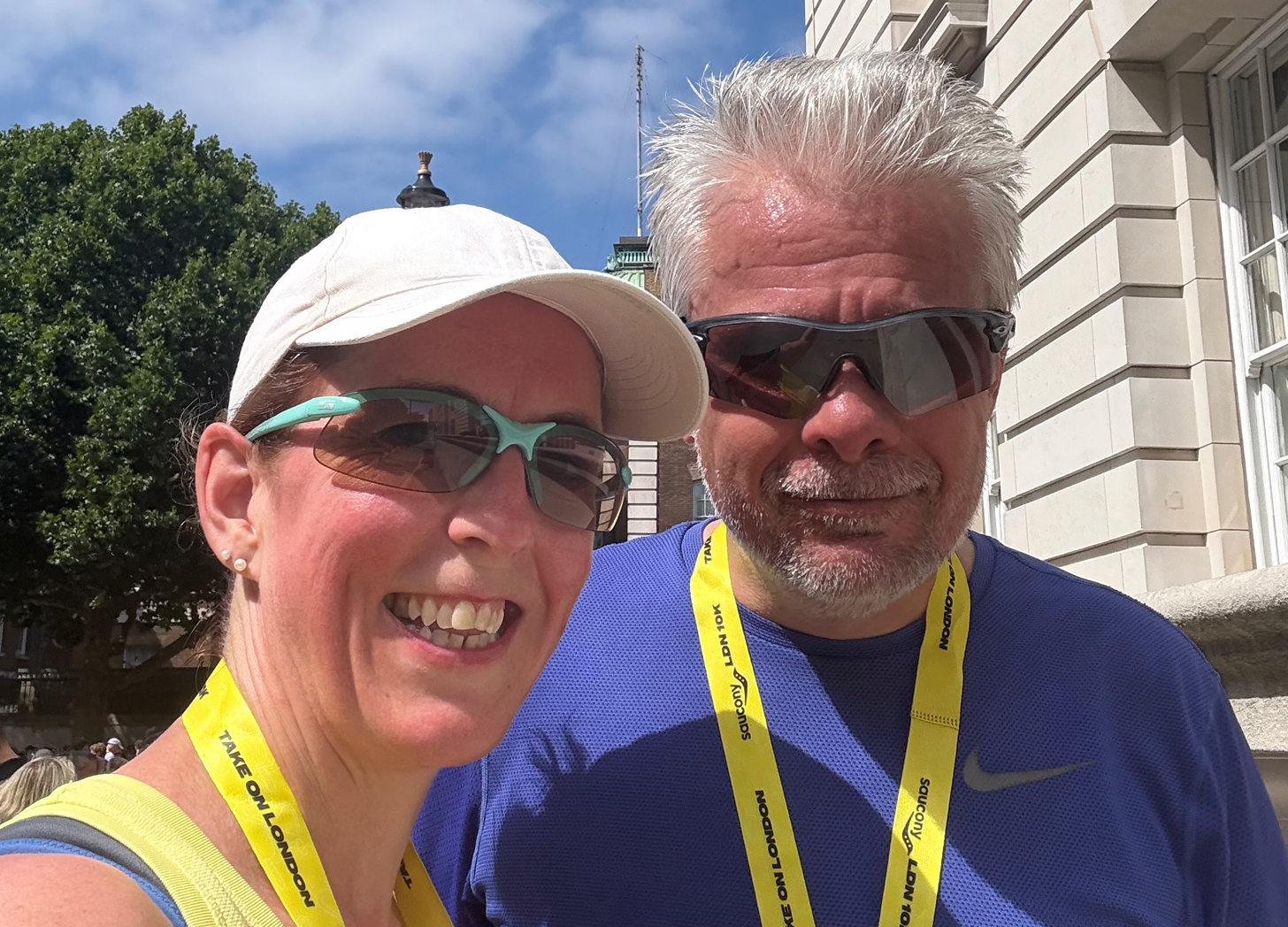
I love running. I love how it makes me feel, the health benefits, the sense of achievement. But I’ve found it isn’t enough. I need additional motivation to do something I love, and I don’t know why.
I think it’s just the way my head works. When I want to learn something, I do much better in formal learning situations than reading alone. Structure is essential to how I achieve things. Running is no different.
Without a challenge I run aimlessly. No structure, no plan, and I quickly fall out of the habit. I’m an all-or-nothing person. The problem with that is I could barely string a few sessions together consistently, so it was mostly nothing-or-nothing.
The appeal of a streak
One solution was run streaking. The basic premise is simple. Run a minimum of a mile every day. No days off. It keeps you going between challenges and it is a challenge in itself.
When I first started streaking I got it wrong. I trained too hard and got injured after 90 days, then 100 days on my second attempt. I was running 5K a day (because getting ready to run a mile felt like too much effort) and trying to incorporate half marathon training into the streak. With hindsight, that was an excellent reason to stick to a mile a day.
The consistency was key to my improvement and my improvement was key to my motivation. I smashed my PBs over 5K and 10K and went under two hours in a half marathon training run, six months quicker than I expected. Then I got injured.
A streak keeps you going even when you get stuck in a rut. You can reach the point where you’re just going through the motions to clock the run. I find that’s better than not running at all, and I can’t imagine going back to the frustration of my stop-start years.
The challenge that changed everything
Streaking helped, but it wasn’t the thing that changed my consistency. That was my third attempt to Run the Year. I finally achieved it in 2020.
The difference was backwards tracking. As well as counting my miles, I tracked how many I had left and how many days I had to run them. This kept me accountable as long as it was still possible.
Looking ahead at a race, a missed day doesn’t feel significant when you’re six weeks out. A missed day in my year challenge meant those miles had to be added to another day. That was only possible up to a point. The deadline wasn’t going anywhere and the backwards tracking kept that real.
By the end of 2020 I felt like a runner. After four weeks off I was missing it. I started another streak and I’m still going now, five years later.
Setting goals that work
Monthly goals never worked for me. There was no real consequence to missing them. I also need a regular prompt or reminder to stay on track.
Races work for a lot of people. Having something in the calendar, something to work towards, is enough. For me it needs to be a paid event with a fixed date. Parkrun doesn’t work, if I miss it I just choose another week. There’s no real consequence. A paid event with a date that isn’t moving is different. It works.
During my NLP training I did an exercise comparing a previous achievement with one I wanted to reach in the future. I discovered that while I was chasing a half marathon PB, I needed it to happen at an official event with my partner running beside me. A training run would be good, but it wouldn’t drive me the same way.
Knowing this about myself helps. The goal isn’t just the result. It’s the conditions that make the result feel worth having.
What this means for you
If motivation is something you struggle with, it’s worth asking whether the goal is right or whether the conditions around it are. For me, I need a challenge with a real deadline, a structure that doesn’t give me the opportunity to talk myself out of it, and progress I can see.
Once you understand what you need or how you are motivated, that’s when you can start to make plans and build habits that stick. Streaking isn’t for everyone, I wouldn’t recommend it to everyone, so what will get you up and training when you need to?
If you would like someone in your corner cheering you on, book a call. I am a mindset and run coach who works with stop-start runners to find their consistency.
